
Scrap Cable Buyer in Abu Dhabi
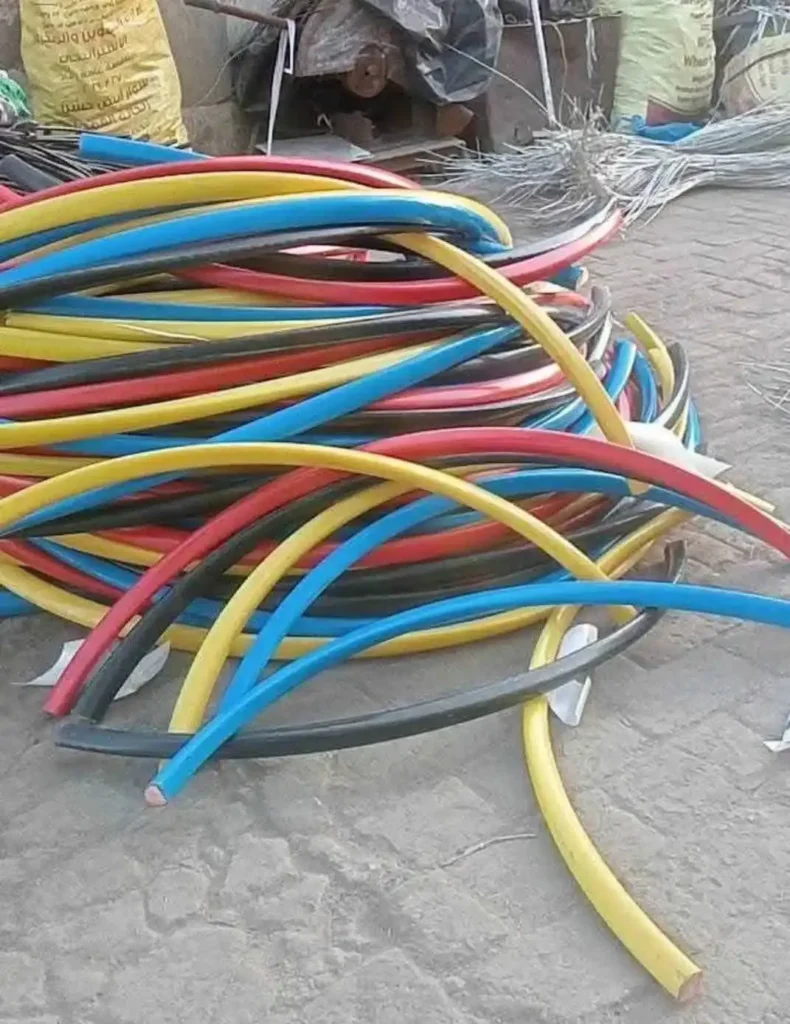
A big job ends. The wires are pulled out. Now you have a pile of cable with no use. It is long, heavy and tangled. What do you do with it?
You can sell it. Inside every cable is metal. Most often it is copper. Sometimes it is aluminium. A scrap buyer pays you for that metal.
This guide explains cable scrap in simple words. It covers the cable types, how price is set, how to stay safe and how to sell in Abu Dhabi. For more about us, visit the Lion Master Scrap home page.
What Is a Scrap Cable Buyer In Abu Dhabi?
A cable is a bundle of metal wire inside a protective cover. The metal carries power or signals. The cover keeps it safe.
What Is Inside a Cable?
The core. The metal wire that carries power. Usually copper or aluminium.
The insulation. A plastic layer around each wire. It stops shocks.
The outer sheath. A tough plastic cover around the whole cable.
Armour, in some cables. A layer of steel wire or tape for extra strength.
When a buyer takes your cable, they pull out the metal and recycle it. The plastic goes to a different process.
Types of Scrap Cable
Different cables hold different amounts of metal.
House Wire
Thin wire used inside homes and offices. It has a small copper core and a thin cover.
Flexible Cable and Extension Cords
Soft cables used with tools and machines. They hold copper strands.
Power Cable
Thicker cable used to carry large amounts of power. It holds more copper.
Armoured Cable
Strong cable with a metal layer for protection. It is used on building sites, in factories and underground. It has steel armour plus copper or aluminium inside.
Building Wire Bundles
Many wires packed together from walls and ceilings.
Data and Network Cable
Thin cables used for internet and phones. They hold small amounts of copper.
Aluminium Cable
Some power cables use aluminium instead of copper. These are lighter and often priced differently.
Mixed Cable
A pile of many types. The buyer sorts it.
How to Tell If Your Cable Has Copper or Aluminium
This matters for price. Here is a simple check.
Cut a Small Piece Safely
Only do this if the cable is dead and not connected to power. Cut the end and look at the metal.
Look at the Colour
Red-orange means copper. Silver-grey means aluminium.
Check the Weight
Copper cable feels heavier than aluminium cable of the same size.
Try a Magnet
Neither copper nor aluminium sticks to a magnet. Armour made of steel will stick.
If you are unsure, send us a photo of the cut end.
How Is Cable Scrap Priced?
Many things matter here. Let us walk through them.
The Metal Inside
Copper cable is usually worth more than aluminium cable. The more metal inside, the better.
The Thickness
Thick cables hold more metal for each metre. A thin cable has mostly plastic.
The Weight
Cable is sold by weight. But the buyer thinks about the metal inside, not the plastic.
The Cover Amount
A cable with thick plastic and thin metal is worth less per kilo than one with a lot of metal.
The Armour
Steel armour adds weight. But it is worth less than copper. The buyer takes it into account.
The Condition
Cut, clean, dry cable is easier to price than burnt or wet cable.
The Market
Metal prices move with the world market.
We do not post fixed prices. Contact us with details, and we will tell you what we can offer.
Why You Should Never Burn Cable
Some people burn cable to get the copper out. It seems quick. But it is a bad idea.
The Smoke Is Harmful
Burning plastic makes toxic smoke. It can hurt your lungs and the people near you.
It Can Lower the Value
Fire can damage the copper. Burnt copper is often priced lower.
It Can Break Rules
Open burning can cause trouble with local rules. Avoid it.
It Is Dangerous
Fire can spread. Hot metal can burn skin.
Sell the cable as it is. Let the buyer deal with the plastic safely.
Safety Rules for Cable Scrap
Cable can be risky if you do not handle it with care.
Make sure the cable is dead. Never touch or cut cable that may be connected to power.
Switch off and lock out power before removing any cable.
Wear gloves. Cut ends can be sharp.
Wear eye protection when cutting.
Lift with care. Heavy cable drums can hurt your back.
Keep cables off walkways. They can cause trips.
Do not cut cable you cannot identify. Some may still carry power.
If you are unsure, ask a qualified electrician.
How to Prepare Cable for Sale
Step 1: Confirm It Is Safe
Make sure cables are not connected to power.
Step 2: Sort by Type
Keep thin house wire apart from thick power cable. Keep armoured cable apart too.
Step 3: Keep Copper and Aluminium Apart
They are priced differently.
Step 4: Coil Cables Neatly
Neat coils are easier to load and weigh.
Step 5: Remove Fittings if You Can
Take off plugs, lugs and clamps made of other metals.
Step 6: Keep Cable Dry
Wet cable weighs more but is not worth more.
Step 7: Estimate the Length and Weight
A rough guess is fine. A photo of the cable and its label helps a lot.
Step 8: Take Photos
Show the cable type, the cut end and any markings.
How to Sell Scrap Cable With Lion Master Scrap
Step 1: Call or Message Us
Reach us on +971 54 184 7328. You can also email hello@lionmasterscrap.com or use our contact page.
Step 2: Share the Details
Tell us the cable type, rough weight and location.
Step 3: Get Your Quote
We tell you what we can offer based on the cable and the market.
Step 4: Arrange the Pickup
We offer pickup across Abu Dhabi. For heavy loads, tell us in advance.
Step 5: Weigh and Check
Your cable is weighed in front of you.
Step 6: Get Paid on the Spot
When the deal is agreed and the cable is collected, you are paid. Keep your receipt.
See everything we buy on our services page.
Who Sells Scrap Cable?
Electrical Contractors
Leftover cable from jobs and strip outs.
Construction Companies
Cable from temporary power setups.
Factories
Old cable from machine upgrades.
Telecom and Network Teams
Old network and data cable.
Facilities Managers
Cable from building renovations.
Homeowners
Old wiring from a rewire or clear out.
Cable on Big Sites: Planning a Pickup
Big sites make a lot of cable waste. A good plan keeps things neat.
Pick a Storage Spot
Choose a dry spot away from traffic. Keep it locked.
Keep Types Separate
Use labelled bins or marked areas.
Count Drums and Coils
Write down how many you have.
Tell Us the Access Details
Tell us about gates, permits and times so our team arrives ready.
Ask About Regular Pickups
If cable waste is steady, set a routine.
Common Mistakes to Avoid
Burning Cable
It is harmful and can lower value.
Selling Live Cable
Never. Always confirm it is dead.
Mixing Copper and Aluminium Cable
They are priced differently.
Wetting Cable to Add Weight
Buyers can see water. It does not help and can hurt trust.
Not Asking About Armoured Cable
Armoured cable has steel in it. Tell the buyer so they can price it correctly.
Leaving Cable Where It Can Be Stolen
Cable is a common target. Keep it locked.
Selling Cable That Is Not Yours
Only sell cable that belongs to you. Keep your ID ready.
A Note on Honest Trade
Cable theft hurts businesses and cities. Because of this, honest buyers may ask who you are and where the cable came from. Please do not be upset. It protects everyone. Have your ID and any job papers ready for larger sales.
What Happens to Your Cable After You Sell It?
The cable is first sorted by type. Then it goes into a machine that cuts it into small pieces. Another step separates the plastic from the metal. The metal is melted and cast into new bars. The plastic is sent for its own processing.
New wire and cable are made from the recycled metal. Nothing is wasted. And recycling saves a lot of energy.
How to Read a Cable Label
Many cables have print on the outer cover. This print tells you a lot. It helps you and your buyer know what is inside.
Look for the Size
You may see a number like “4 core” or “16 mm”. This tells you how many wires are inside and how thick they are. More cores and thicker wire mean more metal.
Look for the Metal
Some labels say “Cu” for copper or “Al” for aluminium. If you see “Cu”, you likely have a copper cable.
Look for the Word “Armoured”
Armoured cable has steel wire or tape under the outer cover. It is heavier, but the steel is worth less than copper.
Look for the Voltage Rating
A higher rating often means a thicker, heavier cable. This can mean more metal inside.
Take a Photo of the Label
Send it to us with your enquiry. It saves time and helps us give a better quote.
How to Measure and Weigh Cable on Site
You do not need fancy tools. A few simple steps help.
Measure the Length
Use a tape or count the drums. Many drums have the length printed on them.
Use a Rough Weight Rule
Thick power cable can be very heavy even in short lengths. If you cannot lift it easily, it is likely heavy.
Count the Coils
If your cable is in coils, count them and note the size of each one.
Do Not Guess Too Low
If you are unsure, say so. We will check the weight at the pickup. The scale gives the final number.
What About Cable That Is Still Under Ground or In Walls?
Some cable is still installed. Be careful here.
Never Pull Live Cable
Make sure power is fully off before any removal. Ask a qualified electrician to confirm.
Get Permission
Cable in a building belongs to the building owner or tenant. Make sure you have the right to remove it.
Plan the Removal
Pulling cable from long pipes or underground ducts is a skilled job. Do not rush it.
Keep Records
Note where the cable came from and when. This helps if anyone asks later.
Cable Types at a Glance
Cable Type What It Looks Like What Is Inside House wire Thin, coloured cover Small copper core Flexible cord Soft, bendy, round Many fine copper strands Power cable Thick, heavy, round Large copper or aluminium core Armoured cable Very thick, stiff Core plus steel armour Network cable Thin, often blue or grey Small copper pairs
This table is a simple guide. If you are not sure, send us a photo.
Where to Find Us
We are at Musaffah M9, Abu Dhabi, UAE. We are open Monday to Saturday, 9:00 AM to 9:00 PM. We are closed on Sunday. Learn more on our about us page.
Frequently Asked Questions
What is scrap cable?
It is old or unused cable that can be recycled for the metal inside.
Do you buy armoured cable?
Yes. We buy armoured cable. Tell us the size and weight.
Do you buy copper wire?
Yes. We buy copper wire and cable.
Do I need to remove the plastic?
No. You can sell it with the cover. Never burn it off.
Is thick cable worth more?
Often yes, because it holds more metal.
How do I know if it is copper or aluminium?
Copper is red-orange. Aluminium is silver-grey. Send us a photo if you are unsure.
Do you buy network and data cable?
Yes. These hold smaller amounts of copper. Contact us with details.
Do you offer pickup?
Yes, across Abu Dhabi.
Do you pay on the spot?
Yes. We pay when the deal is agreed and the cable is collected.
Will I need ID?
For many sales, yes.
Can businesses set up regular pickups?
Yes. Contact us to talk about your needs.
Ready to Sell Your Scrap Cable?
Check that it is safe, sort it and take a few photos. Then call +971 54 184 7328 or visit the Lion Master Scrap home page to get started.
Prices and terms change with the market. Please