
Industrial and Machinery Scrap Buyer in Abu Dhabi
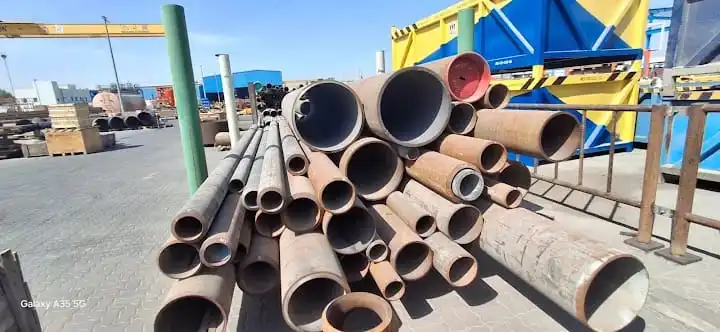
A factory upgrades its line. A workshop moves. A plant closes one site. In each case, there is old equipment to clear. Machines that once ran all day now sit idle. Piles of production waste grow behind the building.
This is industrial scrap. It is heavy, mixed and often tricky to move. But it is also valuable. Machines hold a lot of steel, iron and often copper. Factory waste can be sold, too.
This guide explains industrial and machinery scrap in simple words. You will learn what counts as industrial scrap, how to plan a clear out, how pricing works and how to stay safe. For more about us, visit the Lion Master Scrap home page.
What Is Industrial and machinery Scrap buyer in abu dhabi?
Industrial scrap is metal waste that comes from factories, plants and workshops. It falls into three main groups.
Production Waste
This is the metal left over from making a product. Think of offcuts, trimmings, turnings and rejected parts.
Old Machinery and Equipment
Machines that no longer work or are no longer needed. This includes presses, lathes, pumps, motors, compressors and generators.
Decommissioned Equipment
Equipment taken out when a plant closes, moves or upgrades. This can include tanks, pipes, racks, panels and structures.
Why Industrial Scrap Is Worth Selling
It Is Heavy
Big machines can weigh many tonnes. Even at lower rates per kilo, the total can be large.
It Holds Many Metals
A single machine may hold steel, iron, copper, aluminium and brass.
It Frees Valuable Space
Floor space costs money. Idle machines waste it.
It Improves Safety
Old equipment can be a hazard. Clearing it makes the site safer.
It Is Good for Nature
Recycling metal saves energy and cuts waste.
What Is Inside a Typical Machine?
Knowing this helps you see the value.
Steel and Iron Frames
The body of most machines is steel or cast iron. This makes up most of the weight.
Copper Motors and Wiring
Electric motors have tight copper coils. Panels and wiring hold more copper.
Aluminium Parts
Housings, covers and some moving parts.
Brass Fittings
Valves, taps and bushings.
Electronics
Control boards and sensors, which may need special handling.
Fluids
Oil, grease, coolant and fuel. These must be handled with care.
Types of Industrial Scrap We Buy
Machine Tools
Lathes, milling machines, drills and presses.
Pumps and Compressors
Heavy pieces with steel, iron and sometimes copper.
Generators and Motors
Copper rich and often valuable.
Production Offcuts
Cut ends and trimmings from steel, aluminium and other metals.
Tanks and Vessels
Large steel containers. These may need cleaning first.
Pipes and Fittings
Industrial piping in steel, copper or brass.
Racking and Structures
Warehouse racks, platforms and frames.
Electrical Panels and Cables
Old switchgear and cable runs.
Mixed Factory Scrap
A mix of the above. Our team sorts it.
How Industrial Scrap Is Priced
The Metals Inside
Copper and brass bring a higher rate than steel and iron. A machine with a lot of copper may be worth more.
The Weight
Heavy loads add up. Weight is the base of the price.
How Easy It Is to Take Apart
If a machine is easy to separate into metals, it is easier to price. A tangled mix takes more work.
The Condition
Some machines may still work and have value as equipment. Tell us if yours does.
The Cleanliness
Oil, chemicals and trash lower the value and may need extra handling.
Access and Removal
Is the machine on the ground floor? Is there room for a crane or truck? Hard access can change the cost of removal.
The Market
Metal prices follow the world market and change.
We do not post fixed prices. Machines are all different. Send us details and photos, and we will talk about what we can offer.
How to Prepare for Industrial Scrap Removal
Planning saves time and avoids surprises.
Step 1: List What You Have
Write down each machine or group of items. Add the type, size and rough weight.
Step 2: Take Clear Photos
Take photos from several sides. Show nameplates and any labels.
Step 3: Check Ownership
Make sure the items belong to you or your company. If they are leased or financed, check with the owner first.
Step 4: Disconnect Utilities
Have a qualified person turn off and disconnect power, gas and water. Make machines safe to move.
Step 5: Drain Fluids Safely
Oil, coolant and fuel should be drained and handled by trained staff. Do not pour them on the ground.
Step 6: Remove Hazards
Ask about any chemicals, sharp parts or hot surfaces.
Step 7: Clear Access
Make sure doors, ramps and paths are wide enough. Remove obstacles.
Step 8: Set a Date
Choose a day and time for the pickup. Tell your security and site team.
Safety First
Heavy scrap needs serious care.
Only trained people should disconnect machines.
Lock out and tag out power before any work.
Wear safety shoes, gloves, helmets and eye protection.
Use proper lifting gear and trained operators.
Never stand under a lifted load.
Keep visitors and children away.
Handle oil and chemicals as your safety rules say.
Do not cut tanks that held fuel or chemicals unless they have been cleaned and cleared by a qualified person.
If you are unsure about a hazard, tell us before pickup.
How to Sell Industrial Scrap With Lion Master Scrap
Step 1: Contact Us
Call +971 54 184 7328 or email hello@lionmasterscrap.com. You can also use our contact page.
Step 2: Share the Details
Send the list and photos. Tell us the location and site rules.
Step 3: Get Your Quote
We review the details and tell you what we can offer. For large jobs, we may ask to see the site.
Step 4: Plan the Pickup
We offer pickup across Abu Dhabi. We arrange the right trucks and team for the load.
Step 5: Weigh and Check
Your scrap is weighed in front of you.
Step 6: Get Paid on the Spot
When the deal is agreed and the scrap is collected, you are paid. Keep your receipt and weight slips for your records.
See everything we buy on the services page.
Planning a Factory or Plant Clear Out
For bigger projects, a plan is key.
Choose One Contact Person
One person should speak for your side. It keeps things clear.
Create a Timeline
List the steps: disconnecting, draining, loading, weighing and final clean up.
Share Site Access Rules
Tell us about gate passes, safety training, working hours and parking.
Think About Phases
Large sites may be cleared in stages. This can reduce stress.
Keep Records
Save photos, lists, weight slips and receipts.
Check the Site After Pickup
Walk the area with your team. Make sure it is clean and safe.
Industrial Scrap for Different Businesses
Manufacturers
Production waste and old lines.
Fabrication Shops
Offcuts, trimmings and damaged parts.
Workshops and Garages
Old tools, machines and engine parts.
Warehouses and Logistics
Racking, forklifts and fittings.
Power and Utility Teams
Motors, panels and cables.
Contractors
Machines and tools after project work.
Production Waste: Set Up a Simple System
If your factory makes waste every day, a system can help.
Use Labelled Bins
One for steel. One for aluminium. One for copper and brass.
Keep Bins Close to the Source
The closer the bin is to the machine, the easier it is for workers.
Keep Oils Away
Wipe or drain oily scrap when possible.
Set a Pickup Routine
Weekly or monthly pickups keep space clear.
Track Your Weights
Record weights to see how much waste your plant makes.
Common Mistakes to Avoid
Not Disconnecting Power
This is dangerous. Always disconnect and lock out.
Leaving Fluids in Machines
Spills can harm people and the ground.
Mixing Everything Together
Mixed piles lower the price and slow the pickup.
Skipping the Photo List
Without a clear list, quotes can be wrong.
Ignoring Access Problems
A blocked path can delay the job.
Moving Leased Equipment
Check ownership first.
Not Keeping Records
Keep receipts and weight slips for your accounts.
A Note on Honest Trade
Honest buyers may ask for your company details and proof that the items are yours. This keeps trade fair and stops theft. Please do not be upset. Have your ID, company papers and any site papers ready for larger jobs.
What Happens to Your Machines After You Sell Them?
First, the machines are taken apart. Different metals are separated. Steel and iron go one way. Copper and brass go another. Aluminium has its own route. Fluids are removed and handled with care.
The metals are then cut and melted. They are made into new bars, sheets and parts. Factories use these to make new products.
Your old machine may become part of a new machine. That is recycling at its best.
Scrap or Sell as Equipment? How to Decide
Some machines still have life in them. Before you scrap, think about the options.
Is the Machine Still Working?
If it runs well, it may have value as used equipment. Scrap pricing is usually lower than the resale price of a working machine.
Is It Still Useful to Others?
Some machines are in demand. A quick check with a dealer may be worth your time.
What Is the Cost of Repair?
If the repair costs more than the machine is worth, scrap may be wiser.
Is It Taking Up Space?
If you need the room now, a quick scrap sale may be best.
Is It Safe?
Old, damaged or unsafe machines should not be sold on for use. Scrap them.
If you are not sure, tell us what you have. We can talk through the choices.
What to Do With Hazardous Items
Factories may have items that need special care.
Batteries
Large batteries need careful handling. Tell us before pickup.
Oil and Coolant
Drain fluids into proper containers. Follow your site and local rules.
Gas Cylinders
Never include sealed or full gas cylinders without checking first. Tell us if you have any.
Chemical Tanks
Tanks that held chemicals must be cleaned and cleared by a qualified person.
Electronics and Control Boards
These may need special handling. Mention them in your list.
Asbestos or Unknown Materials
If you think old equipment holds asbestos or unknown materials, stop and get an expert opinion. Do not move or cut it.
Honesty about hazards keeps everyone safe.
How Long Does an Industrial Clear Out Take?
It depends on many things.
The number and size of machines
How easy they are to reach
How much work is needed to disconnect and drain them
Whether cranes or special tools are needed
Site rules and permits
The weather on the day
A small job may take a few hours. A big plant may take days or weeks. Share your details early. We can then give you a better plan.
How to Compare Scrap Buyers for Factory Jobs
For larger jobs, it is smart to ask questions.
Do you offer pickup and loading?
Will you weigh in front of us?
Will we get a weight slip and receipt?
How is payment made?
How do you handle safety on site?
Can you handle large or heavy items?
Are your trucks suited to our access?
Can you work around our schedule?
A good buyer answers these clearly and without pressure.
Where to Find Us
We are at Musaffah M9, Abu Dhabi, UAE. Musaffah is a major industrial area. We are open Monday to Saturday, 9:00 AM to 9:00 PM. We are closed on Sunday. Learn more on our about us page.
Frequently Asked Questions
What is industrial scrap?
It is metal waste from factories and workshops, like production offcuts, old machines and closed down equipment.
Do you buy old machinery?
Yes. We buy machinery scrap. Send us a list and photos.
Do you buy production waste?
Yes. We buy leftovers from production, like offcuts and trimmings.
Can you remove machines from my site?
We offer pickup across Abu Dhabi. For large jobs, contact us to plan the removal.
Do I need to drain the fluids?
Yes. Fluids should be drained and handled safely before pickup.
Do I need to take the machine apart?
Not always. Tell us what you have, and we will advise.
Do you buy electric motors and generators?
Yes. They often hold valuable copper.
Do you buy equipment that still works?
Contact us with details. Working equipment may be treated differently.
Do you pay on the spot?
Yes, when the deal is agreed and the scrap is collected.
Will I need ID or company papers?
For many sales, yes. It is a normal step.
Can we set up regular pickups?
Yes. Contact us to talk about your needs.
Ready to Clear Your Industrial Scrap?
Make your list, take clear photos and get in touch. Call +971 54 184 7328 or visit the Lion Master Scrap home page to start.