
Steel and Iron Scrap Buyer in Abu Dhabi
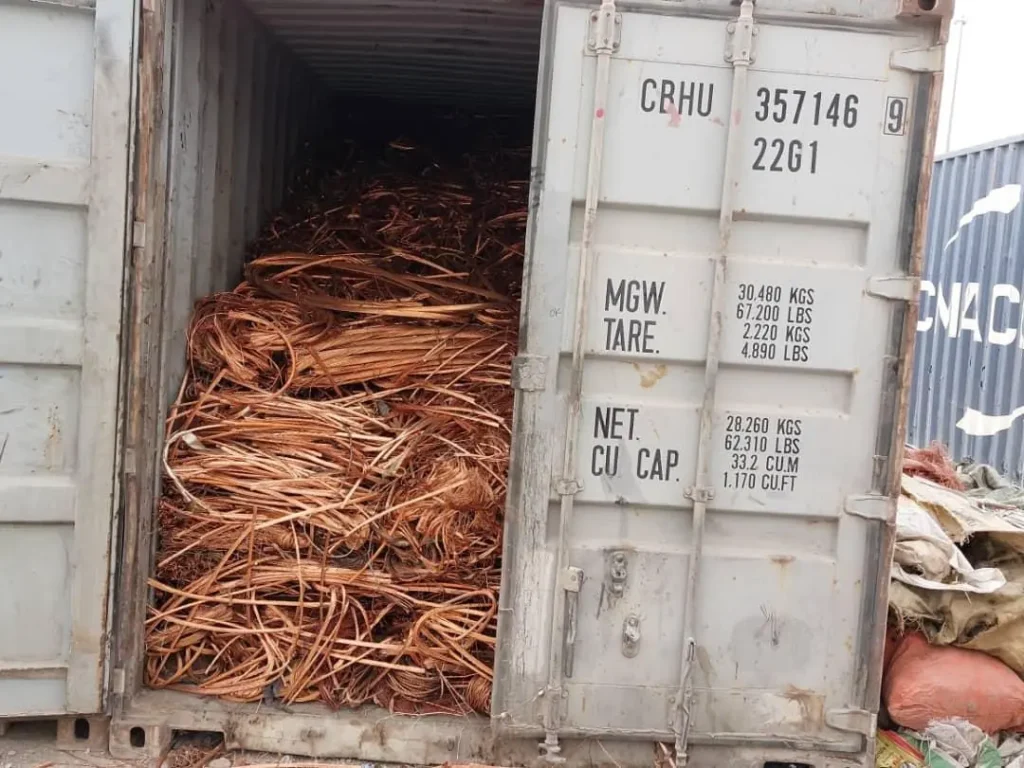
Abu Dhabi is always building. Towers rise. Roads grow. Factories upgrade. All of this uses a lot of steel and iron. And when the job ends, there is leftover metal to clear.
Steel and iron are the most common scrap metals in the world. They are heavy, strong and easy to recycle. If you have a yard full of beams, rebar or old machines, you hold real value.
This guide explains steel and iron scrap in simple words. You will learn the types, how to prepare heavy loads, how price works and how to plan a pickup. For more about us, visit the Lion Master Scrap home page.
What Is the Difference Between Steel and Iron scrap buyer in abu dhabi?
Iron
Iron is a basic metal. Old iron is often heavy and brittle. It is used in pipes, machine bases and engine blocks.
Steel
Steel is iron mixed with a little carbon. This makes it stronger and less brittle. It is used in beams, rebar, sheets and tools.
What They Have in Common
Both are ferrous metals. That means they contain iron. They stick to a magnet. They can rust. And they can be recycled many times.
Why Recycle Steel and Iron?
It Saves Energy
Melting scrap uses far less energy than making new steel from ore.
It Saves Raw Material
Less mining is needed.
It Cuts Waste
Big scrap piles can be turned into something useful.
It Clears Your Site
Heavy scrap is a safety risk. Selling it makes your site safer.
It Brings Money
Even low rate metals add up when the weight is large.
Where Does Steel and Iron Scrap Come From?
Construction Sites
Rebar offcuts, formwork, beams, plates and old scaffolding.
Demolition Work
Steel frames, pipes, doors and roofing.
Factories and Workshops
Offcuts, plates, shavings and damaged parts.
Warehouses
Old racking, shelving and cages.
Vehicles and Machines
Old cars, trucks and heavy equipment.
Homes
Gates, grills, old furniture, tools and appliances.
Oil, Gas and Industry
Pipes, tanks and structures.
Types of Steel and Iron Scrap
Structural Steel
Beams, columns and angles used in buildings.
Rebar
The steel bars used to strengthen concrete. Often bent or cut.
Steel Plates and Sheets
Flat steel from tanks, floors and covers.
Steel Pipes
Round and square pipes from sites and plants.
Cast Iron
Heavy iron like old pipes, machine parts and engine blocks.
Light Steel and Tin
Thin sheet like roofing, drums and cans.
Steel Turnings and Shavings
Small pieces from workshop cutting. They are light and often oily.
Old Appliances
Fridges, washing machines and cookers made mostly of steel.
Mixed Steel and Iron
A pile of many types, sorted by the buyer.
How to Tell Steel and Iron From Other Metals
Use a Magnet
Steel and iron stick to a magnet. This is the fastest test.
Look for Rust
Rust is brown or red-orange flaking. Only iron and steel rust this way.
Check the Weight
Steel and iron are heavy for their size.
A Note on Stainless Steel
Stainless steel does not rust and may not stick strongly to a magnet. It is a different grade and may be priced differently. Tell us if you have it.
How Steel and Iron Scrap Are Priced
The Type
Heavy structural steel, cast iron and light tin may have different rates.
The Weight
Steel is sold by weight. A big load makes a big difference. Steel often has a lower rate per kilo than copper. But the loads are much heavier.
The Size of Pieces
Buyers often like pieces cut to a certain size. Very long beams or huge items may need cutting first.
The Cleanliness
Concrete, wood, dirt and other materials lower the price.
The Market
Steel prices follow the world market and can change.
Load Size and Access
A large, easy to reach load is easier to collect.
We do not post fixed prices. Tell us what you have and we will give you a quote.
How to Prepare Heavy Scrap
Step 1: Gather It in One Area
Keep a clear zone for scrap on your site.
Step 2: Sort by Type
Structural steel together. Rebar together. Plates together. Light sheet together.
Step 3: Separate Other Metals
Pull out copper, aluminium and brass. They can be worth more.
Step 4: Remove Concrete and Wood
Knock concrete off rebar if you can. Remove wood and plastic.
Step 5: Cut Oversized Pieces if Needed
Ask us about size limits before you cut.
Step 6: Make Access Easy
A truck needs room to get in and out. Clear a path.
Step 7: Estimate the Weight
A rough guess is fine. For big loads, count pieces and note sizes.
Step 8: Take Photos
Photos help us plan the truck and give a quote.
Safety Tips
Wear gloves, safety shoes and a helmet on busy sites.
Use eye protection when cutting.
Never stand under hanging loads.
Do not stack scrap too high.
Mark sharp edges.
Use the right lifting gear for heavy beams.
Keep children away from scrap piles.
How to Sell Steel and Iron Scrap With Lion Master Scrap
Step 1: Contact Us
Call +971 54 184 7328 or email hello@lionmasterscrap.com. You can also use our contact page.
Step 2: Tell Us About the Load
Share the type, rough weight, location and any access limits.
Step 3: Get Your Quote
We tell you what we can offer.
Step 4: Plan the Pickup
We offer pickup across Abu Dhabi. For big loads, give us time to arrange the right trucks.
Step 5: Weigh and Check
Your scrap is weighed in front of you.
Step 6: Get Paid on the Spot
When the deal is agreed and the scrap is collected, you are paid. Keep your receipt.
See all our services on the services page.
Planning a Big Site Clear Out
Bulk site scrap needs a plan. Here is a simple one.
Before the Job Ends
Talk to your site manager about scrap. Set aside an area.
During the Job
Sort scrap as it is made. It is far easier than sorting a huge pile later.
Keep the Area Safe
Use signs and barriers. Keep the area tidy.
Book the Pickup Early
Tell us your timeline so we can plan.
Share Site Rules
Tell us about permits, gate times and safety needs.
Keep Records
Save weight slips and receipts for your accounts.
Steel for Businesses
Contractors
Rebar, beams and formwork.
Demolition Companies
Large amounts of mixed steel.
Factories
Plates, offcuts and old equipment.
Fabricators
Offcuts and shavings.
Warehouses
Old racks and fittings.
Tips for Business Sellers
Use separate bins for different scrap.
Train workers to sort.
Set a pickup routine.
Keep clear weight records.
Common Mistakes to Avoid
Mixing Metals
Copper and aluminium mixed in with steel lose value.
Leaving Concrete on Rebar
It adds weight but not value.
Waiting Until the Site Is Full
A cluttered site is slow and unsafe.
Cutting Without Asking
Check size needs first.
Ignoring Safety
Heavy scrap is dangerous. Plan lifts carefully.
Selling Items That Are Not Yours
Only sell what belongs to you. Keep ID and site papers ready.
A Note on Honest Trade
Honest buyers may ask who you are and where the scrap came from. This helps stop theft. It protects honest sellers too. Please do not be upset. Have your ID and job papers ready for larger sales.
What Happens to Your Steel and Iron After You Sell It?
The scrap is sorted and cut into smaller pieces. Large shredders and torches do this work. Then the metal goes into a hot furnace. The liquid steel is cast into new shapes. Mills roll them into beams, bars and sheets.
Your old rebar may become a new building. Your old machine may become a new part. Nothing is wasted.
Understanding Rust and Scrap Value
Many sellers worry that rust will ruin the price. Here is the truth.
Rust Is Normal for Scrap
Steel and iron scrap is often rusty. Buyers expect it. Rust alone does not make your scrap worthless.
Heavy Rust Can Lose Weight
Over many years, rust eats metal. A badly rusted beam may weigh less than it did. But the scale shows the true weight on the day.
Surface Rust vs. Deep Rust
Surface rust is a thin brown layer. Deep rust makes the metal flake and weak. Both can be sold as scrap.
Do Not Spend Money Cleaning Rust
There is no need to scrub or paint. It will not add value.
Heavy Equipment and Vehicles
Steel and iron scrap includes more than beams and bars.
Old Trucks and Trailers
Heavy frames and axles hold a lot of steel. Remove tyres and fluids if you can.
Construction Equipment
Old machines with steel arms, buckets and tracks.
Containers
Steel shipping containers may be sold as scrap when they are no longer useful. Tell us the size and condition.
Scaffolding and Formwork
Used steel scaffolding and formwork can be sold when a project ends.
For old cars, ask us about the best way to proceed.
How Weight Is Checked
Weight is the heart of scrap pricing. Here is what you can expect.
A Calibrated Scale
Your scrap is weighed on a scale made for heavy loads.
You Can Watch
You are welcome to see the reading.
The Slip Is Your Record
Ask for the weight slip. It shows the weight of the load.
Gross, Tare and Net
The truck is weighed full and empty. The difference is the weight of your scrap. This is called the net weight.
Ask Questions
If something is unclear, ask. A good buyer is happy to explain.
A Simple Checklist Before You Call
I know what type of steel or iron I have.
I have sorted other metals out.
I have removed wood and concrete where possible.
I have a rough weight in mind.
I have taken photos.
I know where the truck can park.
I have my ID or company papers ready.
I know who will be on site on the day.
If you can tick most of these, your pickup will be smooth.
Questions to Ask Before You Sell Steel and Iron
A few quick questions can protect you and help you get a fair deal.
Is the price per kilo or per load?
Will you weigh the full load in front of me?
Is pickup and loading included?
Do you need the pieces cut to a certain size?
How and when will I be paid?
Will you give me a weight slip and a receipt?
Do you need ID or site papers from me?
A good buyer answers these clearly and does not rush you.
Where to Find Us
We are at Musaffah M9, Abu Dhabi, UAE. We are open Monday to Saturday, 9:00 AM to 9:00 PM. We are closed on Sunday. Learn more on our about us page.
Frequently Asked Questions
What is steel scrap?
It is old or unused steel, like beams, rebar, plates and pipes, that can be recycled.
Do you buy rebar?
Yes. We buy rebar and bulk site scrap.
Do you buy iron?
Yes. We buy iron, including cast iron and old machine parts.
Do I need to cut long beams?
Ask us first. We will tell you if cutting is needed.
How do I know if it is steel or iron?
Both stick to a magnet. They are heavy and may rust.
Do you buy stainless steel?
Contact us with details. It may be priced differently.
Do you buy old appliances?
Yes. Fridges, washers and cookers are accepted.
Do you offer pickup?
Yes, across Abu Dhabi. For big loads, give us notice.
Do you pay on the spot?
Yes, when the deal is agreed and the scrap is collected.
Will I need ID?
For many sales, yes.
Ready to Sell Your Steel and Iron Scrap?
Gather it, sort it and take a few photos. Then call +971 54 184 7328 or visit the Lion Master Scrap home page.